

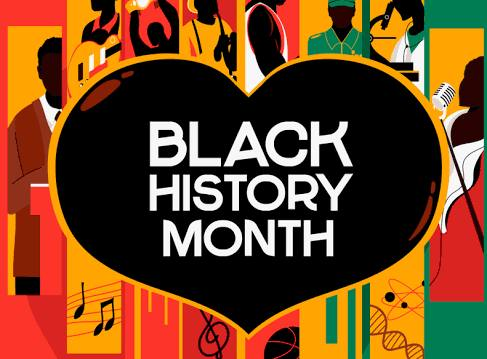
Now that it’s February, there’s one thing on everyone’s mind, and it’s Valentine’s Day. The stores are filled with assorted chocolate boxes, heart decorations cover most public spaces, and flower sales have never been higher. For many, you don’t need a valentine to celebrate. The holiday is about so much more than romance, and is a great opportunity to show your love and appreciation for your friends and family. As fun as it may be to exchange chocolates and small gifts with the people we care about, it is important to remember what the month of February is really meant to celebrate.
Black History month became a national celebration in 1986, but had been well recognized for nearly twenty years before that. Though many Americans are familiar with Black History month, as well as some of the most prominent black figures, not many know the origins of the celebration.
In 1915, half of a century after slavery was abolished by the 13th Amendment, Carter G. Woodson, a renowned scholar, along with Jesse E. Moorland, a prominent minister, founded the Association for the Study of African American Life and History, or the ASALH. The group, which still exists today, prioritizes researching and preserving black history, as well as celebrating achievements made by Black Americans and those of African descent.
Over time, the ASALH has achieved many great things, but one of its most significant achievements occurred back in 1926, when the group decided to sponsor National Black History Week. The second week of February was chosen for this celebration as both Fredrick Douglass and Abraham Lincoln’s birthdays fall in that week. At first, the celebration was primarily acknowledged by some schools and communities across the nation, but it eventually reached a larger scale as mayors across many cities began issuing yearly proclamations recognizing Black History Week. By the late 1960s, the celebration grew from a week-long event to a month-long one, due in part to the Civil Rights Movement. Finally, in 1976, former President Gerald Ford officially recognized Black History Month, and encouraged the public to join in the celebration.
The celebration did not become an official holiday until Congress passed a law formalizing the observation of Black History Month, but the earliest celebrations date back to 1926, meaning this year marks the 100th anniversary. As we celebrate 100 years, let us take time to not only acknowledge the achievements made by black figures, but also reflect on how the celebration has grown and changed over time.